For most drivers who value comfort, a premium look and resale value, quality leather car seats are worth it if the leather is well made and looked after. But “leather” covers a wide range of materials and grades, and the right choice depends on your budget, your climate and how you use your car. This guide answers the questions buyers ask most before choosing.
What is car seat leather?
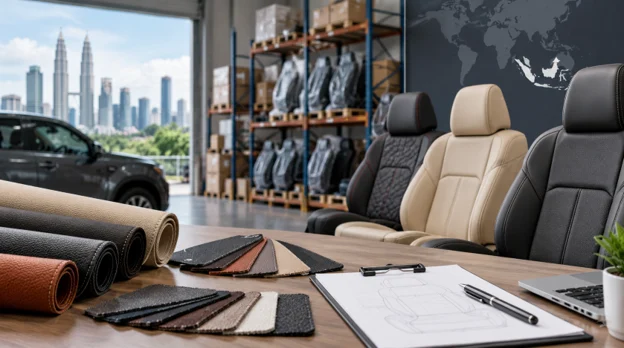
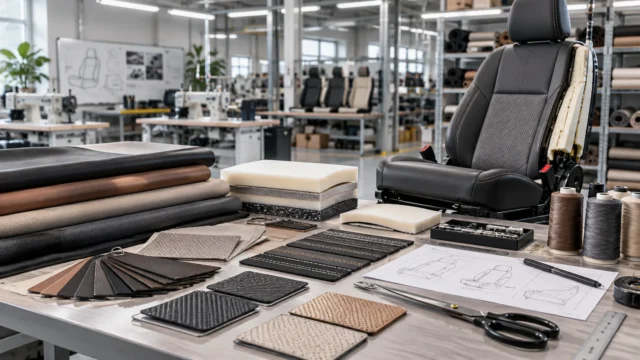
Car seat leather refers to leather or leather-based materials chosen for automotive seating. Depending on the vehicle and specification, this can mean genuine leather, a synthetic alternative, or a combination of both. The common types are:
- Full-grain leather: the highest grade, keeping the natural surface of the hide. Extremely durable and develops character over time.
- Top-grain leather: the most common real leather in cars. Sanded and finished for a consistent look, durable and easier to clean.
- Nappa leather: a soft, premium top-grain leather often used in luxury interiors.
- Genuine and bonded leather: lower grades that use leather but perform below full- and top-grain.
- Synthetic leather (PU, vinyl, leatherette): man-made materials that mimic leather at lower cost, with good stain resistance but less breathability.
- “Leather-appointed” interiors: a term that usually means only the seating surfaces are real leather, while the sides and backs use synthetic.
Need help choosing the right leather car seat covers?
Read our guide to compare leather car seat cover materials, durability, and comfort before making your decision.
Genuine vs synthetic leather: Which is better for car seats?
Neither is universally better. The right choice depends on your priorities.
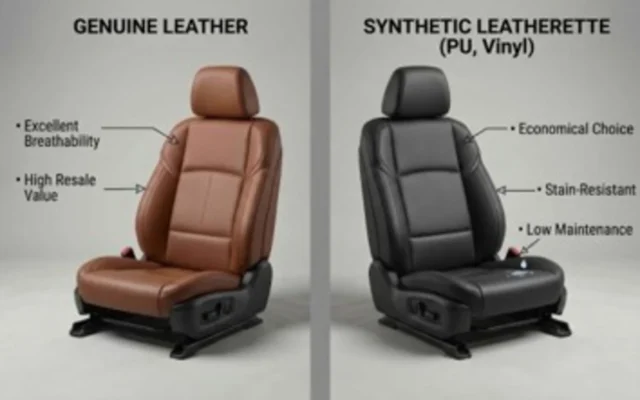
Genuine leather offers a natural feel, better breathability, and tends to support resale value, but it costs more and needs regular conditioning to prevent drying or cracking. Synthetic leather is more affordable, resists stains and fades well, and is easy to wipe clean, but it breathes less and can feel hotter or stickier in humid weather.
For drivers who keep a car long-term and value comfort and feel, genuine leather is usually worth the investment. For those who want low maintenance and a lower price, quality synthetic can be a sensible choice. What matters most is build quality: a well-made synthetic seat will outperform poorly made genuine leather.
Do leather car seats get hot? Comfort in Malaysia’s climate
Yes, leather car seats can get hot when a car is parked in direct sun, and so can synthetic seats. The difference is how the material recovers. Genuine leather is naturally breathable, so it tends to feel more comfortable once the cabin cools, and it is the material most commonly used for ventilated seats. Synthetic leather heats up quickly and breathes less, which can feel sticky in humid conditions.
This matters in Malaysia. Cars parked outdoors sit under strong sunlight and high temperatures, and interiors can become very warm before the air-conditioning catches up. Daily use also exposes seats to perspiration, dust, and spills. Choosing a material suited to a hot, humid climate and maintaining it properly makes a real difference to long-term comfort and condition.
How long do leather car seats last?
Well-maintained genuine leather car seats can last the lifetime of the vehicle, often ten to fifteen years or more. Neglected leather is a different story: without occasional cleaning and conditioning, it can dry out, fade and eventually crack, particularly in tropical heat.
The two biggest factors are the quality of the material and the care it receives. High-quality leather resists cracking far longer than cheap alternatives, and a simple routine of regular wiping and periodic conditioning keeps the surface supple. For a full routine suited to local conditions, see our guide on caring for leather car seats in Malaysia’s climate.
Leather or fabric: Which should you choose?
Leather is easier to wipe clean, feels more premium and tends to help resale value, while fabric is cooler in the sun and cheaper upfront. Leather suits drivers who want a premium interior and plan to keep the car a while; fabric suits tight budgets and those who prioritise a cooler seat over appearance. In a hot climate, well-cared-for leather often wins on longevity and resale.
So, are leather car seats worth it?
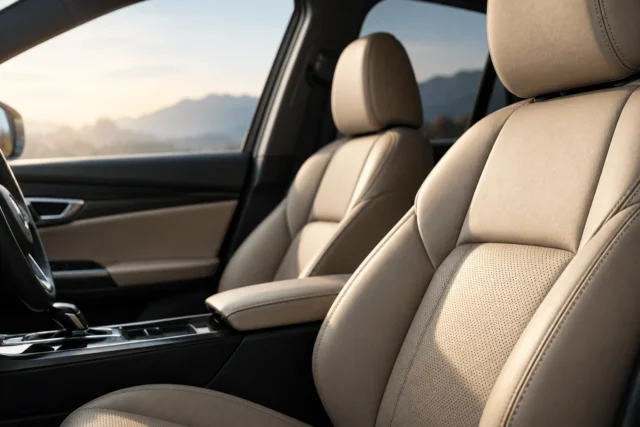
For drivers who value comfort, a premium look and resale value, yes. A well-made leather interior looks and feels premium, adapts well to daily use when cared for, and can help a car hold its value at resale. The key word is quality. The return on leather comes from the material and the manufacturing behind it, not the label alone.
Frequently asked questions:
Are leather car seats worth it?
For drivers who value comfort, a premium look and resale value, yes, provided the leather is well made and maintained.
Do leather car seats get hot in Malaysia?
They can heat up in direct sun, as any seat material does. Genuine leather is more breathable than synthetic and cools more comfortably, and it is the usual choice for ventilated seats.
How long do leather car seats last?
Well-maintained genuine leather can last the life of the vehicle, commonly ten to fifteen years or more.
Do leather car seats crack?
They can if neglected, especially in heat. Regular cleaning and periodic conditioning prevent most cracking.
Genuine or synthetic leather, how do I tell the difference?
Genuine leather has natural grain variation, pores and a warm, supple feel. Synthetic looks perfectly uniform and feels cooler and more rigid. Names like full-grain and Nappa indicate real leather.
Are leather seats better than fabric?
Leather is easier to clean, more premium, and better for resale; fabric is cooler and cheaper. The best choice depends on budget, climate and use.
______________________________________________________________________________
A quality leather seat is about far more than the material on the surface. In Part 2, we look at the testing, safety and craftsmanship that separate a well-made leather car seat from a cheap one. Click Here.