Key Takeaways
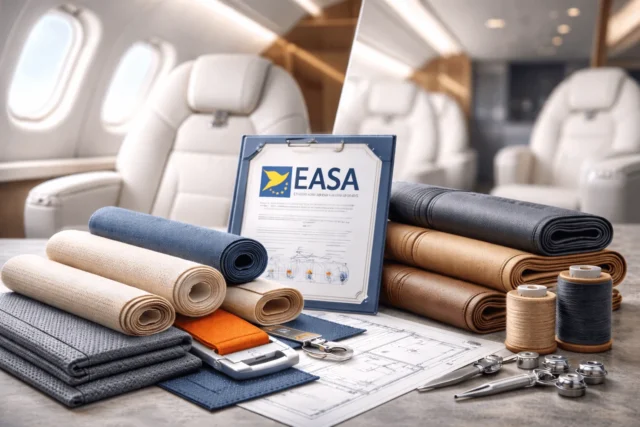
- EASA certification ensures aviation components meet strict international safety and performance standards, making it essential for aircraft interior manufacturing.
- The certification process includes design approval, testing, production oversight and ongoing compliance monitoring to guarantee reliability and safety.
- Aircraft interior components such as upholstery and seat materials must meet rigorous fire resistance and durability requirements.
- EASA certification enables manufacturers to participate in the global aerospace supply chain, increasing credibility with airlines and OEM partners.
- Malaysia’s aerospace manufacturing sector is growing, with certified companies contributing to international aviation interior programmes.
What ensures that aircraft seats, cabin interiors, and critical components meet the highest international safety standards before they are installed on an aircraft?
In the global aviation industry, strict regulatory oversight is essential to guarantee safety, reliability, and performance. One of the most important authorities responsible for these standards is the European Union Aviation Safety Agency (EASA).
The European Union Aviation Safety Agency (EASA) establishes and enforces aviation safety regulations across Europe and influences global aerospace manufacturing practices. For companies involved in aircraft components—including aviation upholstery, seat materials, and interior components—obtaining EASA certification demonstrates compliance with rigorous aerospace safety and quality standards.
For manufacturers and suppliers in aviation interiors, EASA certification is more than a regulatory requirement—it is a signal of credibility within the international aerospace supply chain.
In this article, we explain what EASA certification is, how it applies to aviation interiors, and why it matters for manufacturers and OEM partners, including those operating in advanced manufacturing ecosystems such as Malaysia’s aerospace industry.
What Is the European Union Aviation Safety Agency (EASA)?
The European Union Aviation Safety Agency (EASA) is the regulatory body responsible for civil aviation safety across the European Union. Established to maintain high levels of aviation safety, EASA develops regulations, oversees certification processes, and ensures that aircraft and aviation components meet strict technical standards.
EASA’s responsibilities include:
- Certification of aircraft and aviation components
- Oversight of aviation maintenance organisations
- Regulation of aircraft production and design approvals
- Monitoring aviation safety across EU member states
Although EASA operates within Europe, its standards are widely recognised internationally. Many aerospace manufacturers around the world follow EASA requirements to participate in the global aviation supply chain.
For companies producing aircraft interior components, compliance with EASA regulations ensures that materials and manufacturing processes meet stringent aviation safety standards.
Why Certification Is Critical in Aviation Interiors
Aircraft interiors may appear similar to automotive interiors at first glance, but the safety and engineering requirements are significantly more complex.
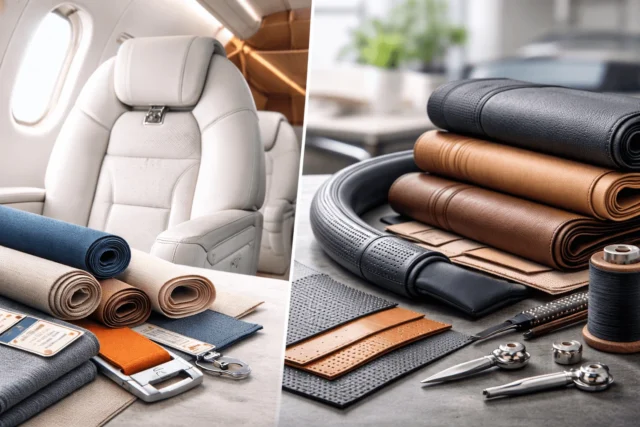
Every component used in an aircraft cabin—including seats, upholstery fabrics, foam materials, and structural elements—must meet strict regulatory requirements before it can be installed on an aircraft.
These requirements exist because aircraft cabins operate under unique conditions such as:
- High-altitude pressure environments
- Temperature fluctuations
- Long operational cycles
- Strict fire safety requirements
Without proper certification, components cannot be used in commercial aviation.
As a result, aviation interior suppliers must demonstrate that their products meet the regulatory standards established by authorities such as EASA.
How EASA Certification Works
EASA certification involves a detailed process designed to ensure that aviation products meet strict safety and performance standards.
The certification process typically involves several stages:
Design Approval
Manufacturers must demonstrate that their product designs comply with aviation regulations and safety requirements.
Testing and Validation
Products undergo extensive testing to verify that they meet safety and performance criteria. This may include:
- Fire resistance testing
- Structural performance testing
- Environmental durability testing
Production Oversight
Manufacturing processes must follow strict quality management systems to ensure consistency and traceability in production.
Continued Airworthiness Monitoring
Even after certification is granted, products must continue to meet regulatory requirements through ongoing inspections and compliance monitoring.
Through this structured process, EASA ensures that aviation components are safe for use in aircraft environments.
EASA Certification and Aircraft Interior Components
Aircraft interiors include a wide range of components that require regulatory approval, including:
- Passenger seats
- Seat upholstery materials
- Cabin panels and trims
- Safety equipment
For companies specialising in aviation upholstery and interior materials, EASA certification confirms that their products meet strict aviation safety requirements.
One of the most important safety factors is fire resistance. Aircraft upholstery fabrics must undergo rigorous burn testing to ensure that materials do not spread flames rapidly in the event of a cabin fire.
These requirements are significantly more demanding than those found in other transportation industries.
The Role of EASA Certification in the Global Aerospace Supply Chain
In the aerospace sector, certification plays a vital role in enabling collaboration between manufacturers, suppliers, and aircraft operators.
Aircraft manufacturers and maintenance organisations typically require suppliers to hold recognised certifications before their components can be used in aircraft interiors.
EASA certification therefore acts as a gateway to the global aviation supply chain.
For interior component manufacturers, certification provides several advantages:
- Recognition of compliance with international aviation safety standards
- Increased credibility with aircraft manufacturers and operators
- Access to aviation maintenance, repair, and overhaul (MRO) programmes
- Opportunities to participate in aircraft interior refurbishment projects
As the aviation industry continues to grow, certified suppliers become critical partners within the aerospace ecosystem.
Aviation Manufacturing Capabilities in Malaysia
Malaysia has steadily developed its capabilities within both the automotive and aerospace manufacturing sectors. With strong industrial infrastructure and skilled engineering talent, the country supports a growing number of companies involved in precision manufacturing and interior component production.
Companies operating in Malaysia are increasingly participating in global supply chains that serve industries such as:
- Automotive manufacturing
- Aerospace components
- Aircraft interior refurbishment
As global aviation demand continues to recover and expand, suppliers with recognised aviation certifications are well positioned to support aircraft interior programmes worldwide.
Pecca Aviation’s EASA Certification
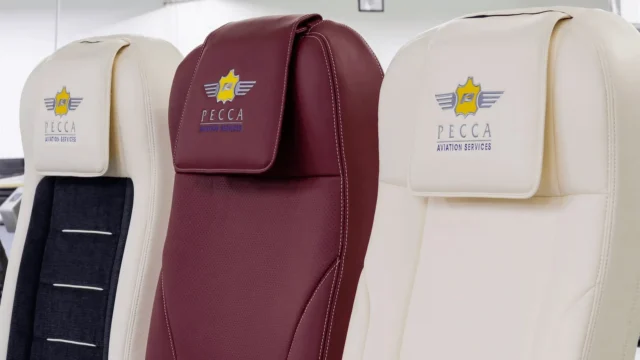
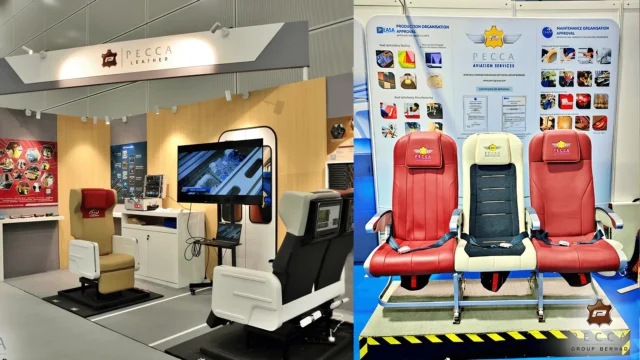
Within this growing aerospace ecosystem, Pecca Aviation has achieved certification from the European Union Aviation Safety Agency (EASA), enabling the company to manufacture certified aircraft leather seat upholstery components for the aviation industry.
This certification confirms that Pecca Aviation’s manufacturing processes and products meet the stringent regulatory requirements required for aircraft interior applications.
With EASA certification, Pecca Aviation can support aircraft interior refurbishment and aviation upholstery programmes that require certified aviation components.
You can learn more about Pecca Aviation’s certifications here.
In addition to aviation certification, Pecca Group also maintains recognised quality standards within the automotive sector through certifications such as International Automotive Task Force (IATF) quality management systems. This cross-industry expertise strengthens the company’s capabilities in producing high-quality interior materials for demanding transportation environments.
Why EASA Certification Builds Trust in Aviation Interiors
For airlines, aircraft manufacturers, and aviation maintenance organisations, safety and reliability are the highest priorities.
Working with suppliers that hold recognised certifications such as EASA provides confidence that products meet strict regulatory requirements.
Certification also supports:
- Traceability in manufacturing processes
- Consistent product quality
- Compliance with international aviation regulations
For aviation interior suppliers, maintaining these standards requires continuous investment in quality management systems, specialised testing processes, and skilled manufacturing capabilities.
The Future of Certified Aviation Interior Manufacturing
As global aviation continues to evolve, aircraft interiors are becoming increasingly sophisticated. Airlines are investing in new cabin designs that enhance passenger comfort while maintaining strict safety standards.
At the same time, aviation authorities continue to strengthen regulatory frameworks to ensure passenger safety.
Manufacturers involved in aviation upholstery, seat materials, and cabin components must therefore remain aligned with regulatory standards such as those established by EASA.
Companies that achieve and maintain certification will play an increasingly important role in supporting the future of global aviation interiors.
Conclusion
The European Union Aviation Safety Agency (EASA) plays a critical role in ensuring that aircraft components meet the highest international safety standards. For aviation interior manufacturers, EASA certification demonstrates compliance with rigorous aerospace regulations and enables participation in the global aviation supply chain.
From fire-resistant upholstery fabrics to certified aircraft seat components, aviation interior materials must meet demanding performance and safety requirements.
As Malaysia continues to strengthen its advanced manufacturing capabilities, companies such as Pecca Aviation are contributing to the global aerospace industry by delivering certified aviation upholstery solutions that meet internationally recognised standards.
Learn more about Pecca Aviation’s recognised aerospace certifications and manufacturing capabilities: