When passengers board an aircraft, the first thing they notice is not the engine power, operational technology, or fuel efficiency—it is the cabin interior. From the aircraft seating and cabin layout to lighting, materials, and ergonomic design, aviation interior elements significantly shape how travellers perceive comfort, safety, and overall experience.
In today’s competitive aviation landscape, airlines are investing more heavily in high-quality aircraft interior solutions that combine aesthetics, functionality, and durability. Whether designing first class airplane seats, improving economy cabin ergonomics, or upgrading premium lounge zones, aviation interior solutions play a critical role in modern air travel.
This article explores what aviation interior solutions include, why they matter, emerging trends in cabin design, and how specialised manufacturers—including innovative players like Pecca Aviation—are contributing to a better passenger experience.
What Are Aviation Interior Solutions?
Aviation interior solutions refer to the design, engineering, manufacturing, and installation of components inside an aircraft cabin. These components must follow stringent industry standards for safety, weight, durability, and regulatory approval.
Aviation interior solutions typically include:
- Aircraft seating (economy, business, first class)
- Seat covers and upholstery (Leather or premium materials)
- Cabin panels and partitions
- Overhead bins and storage solutions
- Carpets and flooring systems
- Lighting systems (ambient, reading, mood lighting)
- Lavatory and galley components
- Monuments and premium cabin features
- Tray tables, armrests, cushions, and comfort accessories
Each component must undergo strict testing for fire resistance, structural integrity, and long-term wear performance, ensuring both safety and comfort.
Why Cabin Interiors Matter More Than Ever
Passenger expectations have transformed.
Travellers now want not only safety but also comfort, convenience, and aesthetics. Modern aviation interior design is directly linked to airline brand perception and customer satisfaction.
Here’s why aviation interior solutions are so important:
A. Enhancing Comfort Through Better Aircraft Seating
Seating is the core of passenger experience. A well-designed aircraft seat can reduce fatigue, improve posture, and make long-haul flights more comfortable.
Quality improvements include:
- Ergonomic seat contours
- Lumbar support
- Improved cushioning materials
- Adjustable headrests
- Increased legroom in redesigned seat structures
Premium cabins take this further, offering lie-flat first class airplane seats, privacy partitions, and luxury materials.
B. Improving Cabin Aesthetics and Brand Identity
Airlines use the cabin interior to differentiate themselves. Materials, stitching design, colour palette, and lighting collectively define the brand’s “look and feel.”
An elegant aircraft interior enhances:
- Passenger perception
- Trust in the airline
- Brand consistency
- Market competitiveness
C. Boosting Operational Efficiency
Lightweight materials reduce aircraft weight, allowing airlines to:
- Save fuel
- Increase payload
- Lower operating costs
New materials such as lightweight composites, aviation-grade glass, and modular seating systems contribute to efficiency gains.
D. Ensuring Safety and Compliance
Cabin safety regulations are stringent. Interior components must comply with standards such as:
- Flammability requirements
- Impact resistance
- Durability tests
- Airworthiness certification
Reliable aviation interior suppliers ensure all components pass regulatory requirements before installation.
Key Components of Aircraft Interior Solutions
To understand the aviation interior ecosystem, let’s break down the major components:
A. Aircraft Seating Systems
Seats are the most complex and expensive element of the passenger cabin. They must combine:
- Ergonomics
- Safety
- Lightweight materials
- Aesthetic appeal
- Integrations (power ports, IFE systems, recliners)
Economy seats focus on space efficiency and comfort, while first class airplane seats emphasise luxury, privacy, and advanced mechanisms.
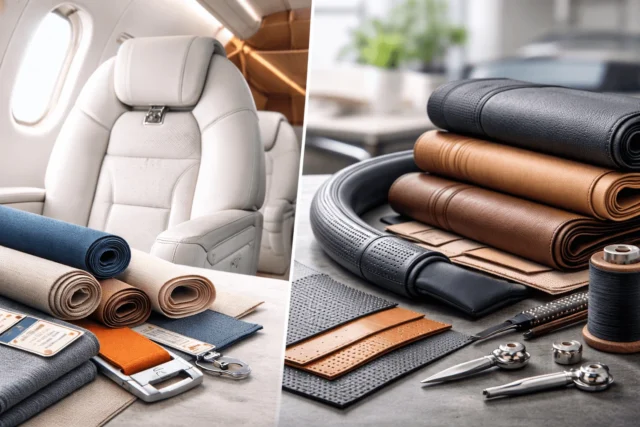
B. Seat Upholstery and Materials
Upholstery plays a significant role in durability and passenger comfort. Options include:
- Natural or synthetic leather
- Woven or knitted fabrics
- Hybrid materials
- Fire-resistant textiles
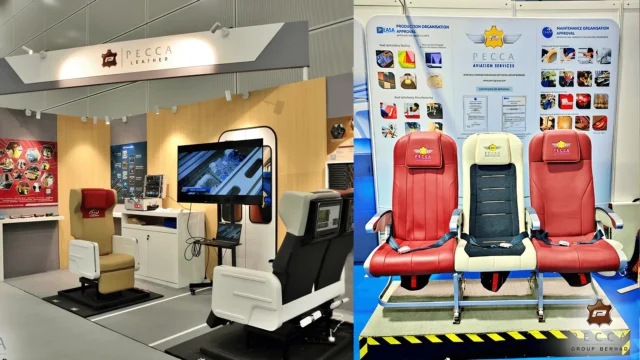
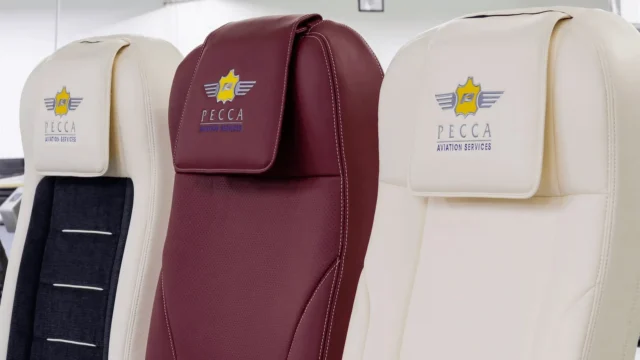
Manufacturers such as Pecca Aviation specialise in high-quality seat upholstery and cabin material solutions, offering modern designs that prioritize comfort, lightweight construction, and aesthetic refinement.
C. Lighting Solutions
Modern cabin lighting uses LEDs and advanced mood lighting to:
- Improve ambience
- Reduce jet lag
- Support brand identity
- Enhance cabin clarity and safety
D. Cabin Panels, Monuments, and Partitions
These define the cabin layout and passenger flow. Lightweight, durable materials ensure long-term performance while maintaining structural integrity.
E. Interior Accessories
Smaller components such as armrests, tray tables, cup holders, seatback pockets, and cushions contribute significantly to functionality and overall comfort.
Trends Transforming Modern Aircraft Interiors
Aviation interiors are evolving rapidly due to new technologies, passenger expectations, and sustainability goals.
A. Lightweight Materials for Fuel Efficiency
Aviation-grade composites, advanced polymers, and lightweight seating systems help airlines reduce fuel costs. Lightweight aviation glass, for example, offers transparency and durability with reduced weight—a growing trend in aircraft cabin design.
B. Personalisation and Premium Cabin Experiences
First class and business class cabins now focus on:
- Privacy doors
- Boutique hotel–style seating
- Customised stitching and detailing
- Mood-based lighting
- Personalised entertainment and storage
These innovations transform premium cabins into experiential spaces rather than functional seats.
C. Technological Integration
Modern cabin interiors incorporate:
- In-seat charging ports
- Wireless charging docks
- Touchscreen control panels
- Smart recline systems
- Noise-minimising materials
Passengers expect seamless technology integration, similar to what they use at home.
D. Sustainability and Eco-Friendly Solutions
Airlines increasingly explore:
- Recycled textiles
- Durable and low-waste materials
- Longer-lasting upholstery
- Manufacturing processes with lower environmental impact
Manufacturers are aligning with global ESG goals to create greener aviation interior solutions.
E. Cabin Modularisation
Modular cabin components allow airlines to:
- Change configurations faster
- Reduce maintenance downtime
- Upgrade specific areas without full cabin overhaul
This makes fleet modernisation more efficient and cost-effective.
Pecca Aviation: Bringing Modern Design to Aircraft Interior Seating
Pecca Group, known for its leadership in automotive upholstery, has expanded into the aviation sector through Pecca Aviation. Their aviation division designs and manufactures aircraft seat covers and interior components that align with global aviation standards.
Pecca Aviation’s offerings include:
- New aircraft seating design concepts
- High-quality seat covers
- Upholstery solutions for various aircraft classes
- Lightweight materials engineered for efficiency
- Customisable designs to match airline branding
Their solutions focus on durability, safety compliance, aesthetics, and comfort—core requirements for modern aviation interior development.
This makes Pecca Aviation a noteworthy contributor in the region’s growing aerospace supply chain.
Why Aviation Interior Solutions Matter for Passenger Experience
A well-designed aircraft interior significantly impacts how passengers feel throughout a flight. Here’s how:
1. Comfort and Ergonomics
Seat shape, cushioning, and support directly influence physical comfort, especially on long-haul flights.
2. Psychological Well-Being
Lighting, colour tones, and material textures contribute to a calm, premium environment.
3. Perceived Safety and Cleanliness
High-quality cabin materials create a sense of professionalism and cleanliness, reassuring passengers of the airline’s standards.
4. Brand Differentiation
Cabin design reinforces airline identity, helping distinguish premium carriers from competitors.
5. Operational Efficiency
Better-designed interiors improve:
- Cabin crew workflow
- Passenger movement
- Cleaning cycles
- Maintenance speed
This leads to smoother operations and better customer satisfaction.
The Future of Aviation Interiors: Passenger-Centric Innovation
Looking ahead, aviation interiors will continue evolving with a focus on:
- Smarter seating systems
- Eco-friendly materials
- Enhanced accessibility
- Touchless technology
- Multi-zone premium cabin layouts
- Weight-optimised structures
Manufacturers like Pecca Aviation will play a key role in advancing seating design, engineering materials, and elevating airline cabin identity.
Final Thoughts: Aviation Interior Solutions Shape the Passenger Journey
Aviation interior solutions are far more than aesthetic upgrades—they fundamentally influence comfort, safety, airline branding, and passenger satisfaction. From aircraft seating to lighting, materials, and cabin design, each decision contributes to the way passengers feel and experience air travel.
As technology advances and passenger expectations evolve, companies like Pecca Aviation are innovating seating and interior solutions to help airlines deliver a modern, comfortable, and memorable inflight experience.